Your body is capable of incredible feats, from childbirth to running marathons to carrying you through your daily errands. Over time, however, many of your body’s powerful inner processes start to slow down.
Though natural, the corresponding changes in function and anatomy can affect your day-to-day life. And for many people—especially mothers—maturity comes with weakened pelvic floor muscles. Without a strong core and pelvic floor, you may experience urinary incontinence and diminished sexual satisfaction.
This loss of control can feel frustrating, especially when constant trips to the bathroom begin to dictate your schedule. But what if you didn’t have to accept this change in pace?
At Cady Wellness Institute, our expert providers can use advanced Emsella technology to noninvasively retrain relaxed muscles. Keep reading to learn how pelvic floor therapy in Newburgh can empower you to live life on your terms, regardless of age. If you’re ready to move forward with treatment, schedule a consultation.
Understanding Pelvic Floor Weakness
The muscles throughout the body naturally weaken and atrophy with age. In adulthood, muscle mass can decline at a rate of 3 to 8% per decade, a pattern that only accelerates once you reach 60. Along with muscular decline on a cellular level, this involuntary loss is often a result of reduced mobility.
However, other internal and external factors can affect pelvic floor laxity.

Pregnancy
Up to 40% of mothers experience pelvic weakness or prolapse after pregnancy. The pelvic floor muscles provide key support to the uterus and the bladder, among other organs.
During pregnancy, the weight of the developing fetus weighs down on these muscles, often leading to frequent visits to the restroom. Pregnancy hormones further encourage tissue flexibility for smoother labor. During a vaginal delivery, these same muscles undergo great stress, stretching and contracting to push the baby out.
As a result, many women experience pelvic floor laxity postpartum, often leading to bladder leakage or reduced intimate pleasure.
Menopause
Women going through perimenopause and menopause may also experience pelvic muscle weakness because of a hormonal imbalance.
Without enough estrogen circulation, your ovarian function naturally declines, and the surrounding pelvic floor muscles and ligaments begin to waste away. Often, these thinned, weakened muscles can’t respond to sexual stimulation or urinary urges like they used to.
Weight Gain
The weight you carry in your abdomen presses down on the organs below—and their supportive structures. That means that if you gain abdominal fat or even muscle, your pelvic floor might face additional strain. After constant stress and pressure, these muscles may struggle to contain your urine.
Enlarged Prostate
As men grow older, the prostate gland may grow as well. This gland sits just below the bladder, held up by the pelvic floor. If the prostate swells, it can intrude upon the bladder, creating unwanted tension or tightness. This sensation may make it difficult to control how and when the bladder empties.
Slack or too-tense muscles can similarly disrupt intimate moments, affecting erectile firmness, blood flow, and ejaculation. For some men, pelvic floor dysfunction goes hand-in-hand with erectile dysfunction.
Medical Conditions
Certain medical conditions can also affect your bowel movements, bladder control, and sexual performance. For example, individuals living with diabetes, irritable bowel syndrome (IBS), or Parkinson’s disease may experience diminished power over their pelvic floor muscles.
Lifestyle Habits
Your response to stress can affect the strength of your pelvic muscles. Without adequate management, chronic stressors often prompt you to tense your muscles. Ongoing muscle strain can cause overactivity or weakness, both of which can influence bladder control and sexual arousal.
Your dietary choices can also cause changes in your intimate health. Regularly consuming a large volume of alcoholic, caffeinated, carbonated, or artificially sweetened beverages stimulates the bladder. Over time, this repeated pressure can wear down the supportive muscles below, leading to leakage or pain.

Consulting a Specialist
Whether your symptoms have just started or you’ve been living in discomfort for years, it’s not too late to seek support. With Dr. Cady and our team of functional health specialists, we can noninvasively restore strength and support that aligns with your inner vitality.
The first step: a consultation.
During this brief conversation, you sit down with Dr. Cady to discuss your concerns, lifestyle, and medical history.
Your provider may not advise treatment with Emsella if you are:
- Pregnant
- Living with assistance from a metal implant, such as a pacemaker, insulin pump, IUD, or hip replacement
- Someone with a hemorrhagic condition or bleeding disorder
Once Dr. Cady determines that pelvic floor therapy in Newburgh could advance your wellness goals and quality of life, he will advise the steps you can take to prepare for treatment. Often, these instructions include:
- Avoid consuming alcohol or using tobacco products 48 hours before your appointment.
- Drink plenty of water before undergoing Emsella pelvic floor strengthening exercises.
- Arrive at your appointment wearing loose, comfortable clothing—preferably pants.
- Prior to treatment, remove any jewelry or other items containing metal.
Beginning Treatment With Emsella
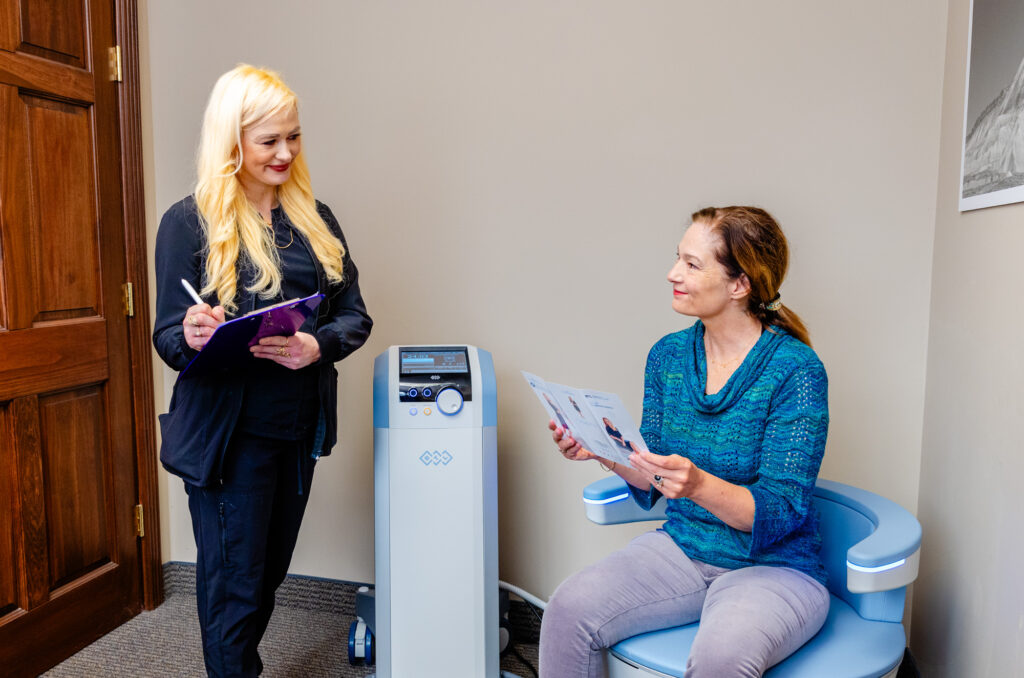
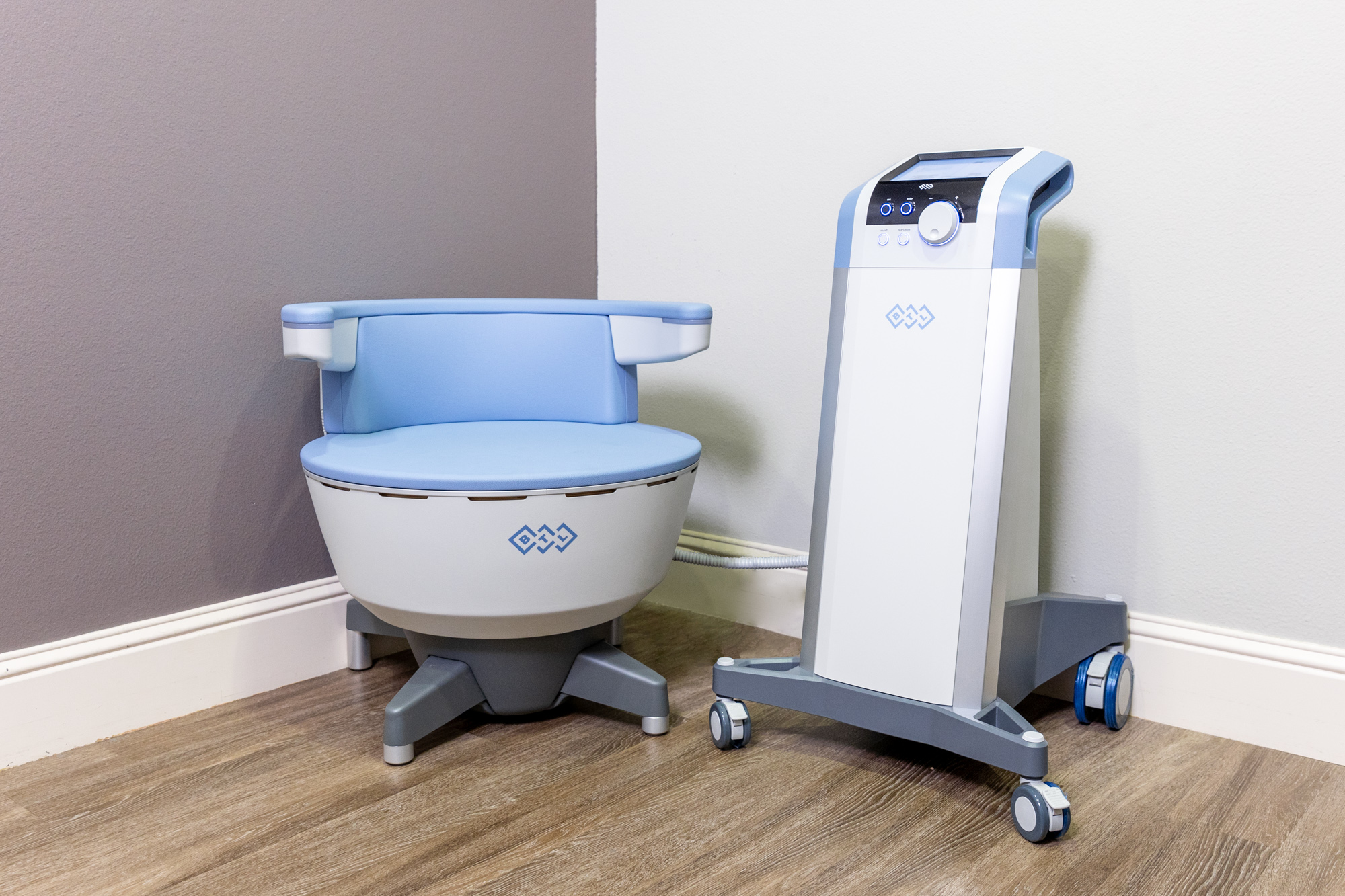
Your treatment with pelvic floor therapy in Newburgh is as simple as taking a seat! When you arrive for your appointment, you can relax in your own clothes—no need to undress. One of our expert providers will guide you to the Emsella chair, a device equipped with high-intensity focused electromagnetic (HIFEM) energy.
In treatments as short as 30 minutes, the HIFEM energy gently stimulates your pelvic floor and core muscles. These repetitive movements trigger thousands of Kegel-like contractions, gradually retraining and strengthening the targeted tissue.
Even if you performed Kegel exercises for 8 hours each day, it would still take almost an entire year to achieve pelvic floor conditioning equivalent to a single Emsella session. By concentrating these contractions with Emsella, you can turbocharge the restorative effects of pelvic floor activation.
Feeling the Benefits
Some patients notice a difference in their urge control and intimate wellness after a single treatment, while others may benefit from a series of sessions to build up muscle tone.
As we retrain and strengthen your muscles with pelvic floor therapy in Newburgh, you can steadily feel a change from within, enjoying:
- Increased bladder and bowel control
- Fewer trips to the bathroom—especially in the middle of the night
- Improved intimate blood flow
- Enhanced genital sensation
- Renewed comfort and confidence
Empowering Your Emsella Results
After completing a session of pelvic floor therapy in Newburgh, your provider outlines the steps you can take to support your renewed muscle tone. Often, these instructions involve minor adaptations to your daily habits, including:
- Practice daily abdominal exercises and Kegels to maintain your muscle structure.
- Hydrate well between treatments to fortify your muscle fibers.
- Eat nutrient-rich, high-protein meals to support ongoing muscle strength and growth.
- Moderate your daily intake of caffeinated or carbonated beverages like coffee, tea, or soda, as overconsumption can irritate the bladder.
- Stop smoking cigarettes; the corresponding smoker’s cough can place additional strain on your bladder, causing unwanted leakage.
Along with practicing a healthy diet and regular exercise, Dr. Cady may recommend supplementing your Emsella treatments with wellness therapies. Depending on your lifestyle and goals, he might advise additional core conditioning with Emsculpt NEO or personalized hormone therapy to further improve your sexual wellness.
Emsculpt NEO Body Contouring
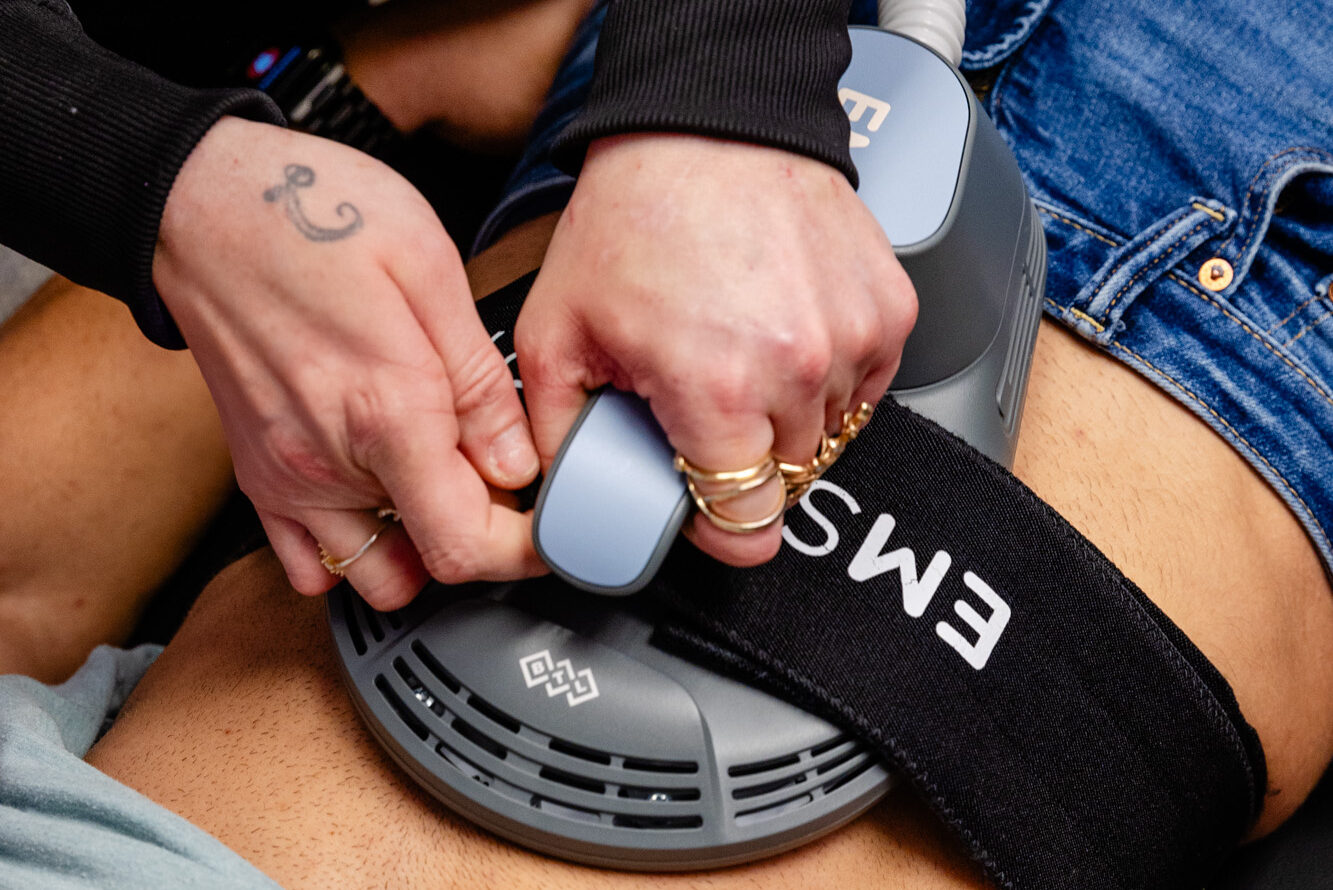
Much like Emsella, Emsculpt NEO technology uses HIFEM energy to induce muscular contractions in the underlying muscles. When administered on the midsection, the applicator activates the abdominal and pelvic muscles, stimulating up to 20,000 contractions in just 30 minutes. With enhanced muscle tone, you can better manage your urinary urges and enjoy sustained sexual performance.
For postpartum patients, Emsculpt NEO and Emsella can help treat minor cases of diastasis recti, or abdominal wall separation. Activating the muscles encourages healing, reinforcing torn tissues, resolving outward protrusion, and improving diminished core strength.
Emsculpt NEO also features radiofrequency (RF) technology. During treatment, the RF energy gently heats the tissue, targeting and permanently damaging fat cells. Once broken down, your body flushes them out, resulting in lasting fat reduction. Less abdominal fat pressing down on the bladder and pelvic muscles can improve the results of pelvic floor therapy in Newburgh.
Bioidentical Hormone Therapy
For adult patients experiencing perimenopause, menopause, or andropause, imbalanced hormones can further exacerbate muscular laxity and sexual dysfunction. If trouble in the bathroom or the bedroom persists with Emsella, hormone therapy can make a powerful addition to your treatment plan.
With thoughtfully implemented bioidentical hormone therapy, we can gently replace depleted hormones like estrogen and testosterone, working from inside to support sustainable muscle mass and a healthy libido.
Reclaim Control and Confidence
With targeted Emsella pelvic floor therapy in Newburgh, you don’t have to live in fear of leakage or discomfort. You can sneeze, laugh, and exercise in peace.
Many patients enjoy a richer sex life and a fuller social calendar after strengthening essential pelvic muscles. Are you ready to be one of them?